





If you’ve ever watched a Premier League season end in tears — some fans storming the pitch in joy, others staring blankly into the abyss — you’ve probably wondered: how exactly do these 20 clubs end up here each year?
It’s not a secret committee, a lottery, or a royal decree (though it’s England, so who knows). The truth is more thrilling — and far more ruthless. Welcome to the beautiful brutality of promotion and relegation, the heartbeat of English football.
Quick Answer
Each Premier League season features 20 teams:
- 17 clubs survive from the previous season.
- The bottom three are relegated to the EFL Championship.
- The top two Championship teams, plus one playoff winner, are promoted to take their place.
That’s it — pure meritocracy. Play well, stay up. Fall apart, and you’re out.
The 20-Team Format: England’s Perfect Balance
The Premier League has 20 clubs every season — not 18, not 22, just 20. It’s the sweet spot that keeps things competitive and logistically balanced.
Each club plays 38 games — home and away against every opponent — forming the backbone of the most-watched league in the world. The format hasn’t changed since 1995, when the league trimmed down from 22 to 20 teams to ease the schedule.
That structure ensures that every single match matters — whether it’s Manchester City vs. Arsenal for the title or Bournemouth vs. Brentford in a gritty fight to avoid the drop.
(See also: How Many Games Are in a Premier League Season)
Relegation: The Trap Door Nobody Wants to Fall Through
Here’s where it gets brutal. The bottom three clubs at season’s end — positions 18, 19, and 20 — are automatically relegated to the Championship.
Relegation isn’t just losing your spot at the top table; it’s losing millions in TV money, sponsorships, and sometimes your best players. Clubs spend all season trying to avoid it, because falling through that trap door can take years — or decades — to recover from.
Still, the Championship isn’t exactly a soft landing. It’s a 46-game grind full of hungry clubs desperate to claw their way back. Think of it as football’s version of purgatory — a place where dreams of Premier League glory either reignite or burn out.
To soften the blow, relegated clubs receive what’s called “parachute payments” — temporary financial support from the Premier League to help balance their budgets while adjusting to lower revenue.
But make no mistake: most clubs would rather fight tooth and nail to avoid the drop than rely on parachutes.
Promotion: How the Championship’s Best Rise to the Top
Promotion to the Premier League is the Holy Grail of English football. For some clubs, it’s a return to glory; for others, it’s a first dance on the big stage.
There are two automatic promotion spots:
- The 1st-place finisher in the Championship.
- The 2nd-place finisher, right behind them.
These two teams book their Premier League tickets the easy way — by grinding through 46 league games and coming out on top.
Then comes the real drama: the playoffs.
Teams finishing 3rd through 6th battle in a two-legged semifinal (home and away), and the winners meet at Wembley Stadium for a single, winner-takes-all match. The prize? A spot in the Premier League — and roughly £150 million in revenue potential.
It’s called “the richest game in football” for a reason. One match changes everything — from budgets to stadium expansions to transfer dreams.
What Promoted Clubs Must Do Before Joining the Premier League
It’s not just about winning football matches. To compete in the Premier League, clubs must also pass licensing, financial, and infrastructure checks.
That means:
- Meeting Financial Fair Play (FFP) standards.
- Ensuring their stadium meets Premier League safety and broadcast requirements.
- Registering a 25-player squad, with at least 8 homegrown players.
Sometimes that means major upgrades — like Luton Town, who famously had to renovate Kenilworth Road to meet league standards after earning promotion.
The Premier League doesn’t hand out golden tickets. You earn it on the pitch, and you prove you can handle it off the pitch.
What Happens If a Club Fails Licensing or Financial Rules?
It’s rare — but it happens. Clubs can be docked points, fined, or even denied promotion if they fail to meet financial or infrastructure requirements.
The English Football League (EFL) and Football Association (FA) monitor clubs closely to ensure fairness. In extreme cases, if a team collapses financially — like Portsmouth or Derby County once did — it can trigger administrative penalties or forced relegation.
It’s harsh, but that’s what keeps the pyramid stable. Integrity first, glamour second.
Premier League 2025–26: Who’s In, Who’s Out
The 2025–26 Premier League season features 20 clubs, as always. The top 17 from last season survived the cut.
The three newcomers? They had to fight their way up from the Championship, proving once again that English football is the most democratic sports system in the world.
Promotion and Relegation Summary (2024–25 → 2025–26)
Every Premier League season reshuffles the deck — three clubs climb up, and three fall through the trap door. Here’s how the 2025–26 lineup came together:
| Category | Clubs | Notes |
|---|---|---|
| Promoted to Premier League (from Championship) | Leeds United, Sunderland, Burnley | Leeds returned after a one-year absence, Sunderland earned promotion through the playoffs, and Burnley bounced back immediately after relegation. |
| Relegated to Championship (from Premier League) | Luton Town, Sheffield United, Ipswich Town | All three struggled to find consistency during the 2024–25 campaign, finishing in the bottom three and dropping out of the top flight. |
| Soccer Club | City | Home Stadium |
|---|---|---|
| Arsenal | London | Emirates Stadium |
| Aston Villa | Birmingham | Villa Park |
| Bournemouth | Bournemouth | Vitality Stadium |
| Brentford | London (Brentford) | Gtech Community Stadium |
| Brighton & Hove Albion | Brighton | Amex Stadium |
| Burnley | Burnley | Turf Moor |
| Chelsea | London (Fulham) | Stamford Bridge |
| Crystal Palace | London (Selhurst) | Selhurst Park |
| Everton | Liverpool | Goodison Park (moving to Bramley-Moore Dock Stadium in 2025–26) |
| Fulham | London (Fulham) | Craven Cottage |
| Leeds United | Leeds | Elland Road |
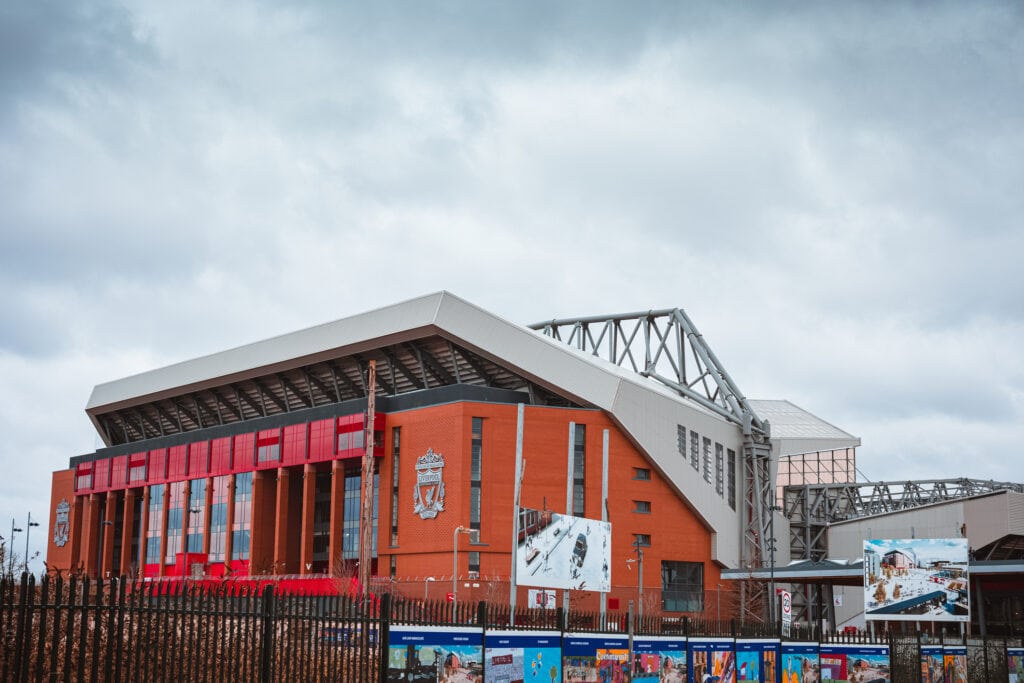
| Liverpool | Liverpool | Anfield |
| Manchester City | Manchester | Etihad Stadium |
| Manchester United | Manchester (Trafford) | Old Trafford |
| Newcastle United | Newcastle upon Tyne | St James’ Park |
| Nottingham Forest | Nottingham / West Bridgford | City Ground |
| Sunderland | Sunderland | Stadium of Light |
| Tottenham Hotspur | London (Tottenham) | Tottenham Hotspur Stadium |
| West Ham United | London (Stratford) | London Stadium |
| Wolverhampton Wanderers | Wolverhampton | Molineux Stadium |
That annual turnover keeps the league fresh. Every season, new fanbases, new storylines, new underdogs — and the same unrelenting standard of play.
FAQs About How Premier League Teams Are Chosen
Three. The top two from the Championship plus the playoff winner.
Three — the bottom three in the Premier League table.
Yes. When the Premier League launched in 1992, it had 22 clubs. It was reduced to 20 starting in 1995–96.
No. Only through earning it on the pitch — there are no shortcuts or invites.
Usually by late May, right after the Championship playoff final at Wembley.
The post How Are Premier League Teams Chosen Each Season? (2025–26 Update) appeared first on Soccerprime.
Source link
You may also like


About the author


Add Comment